
Classic Solitaire vs. Spider Solitaire
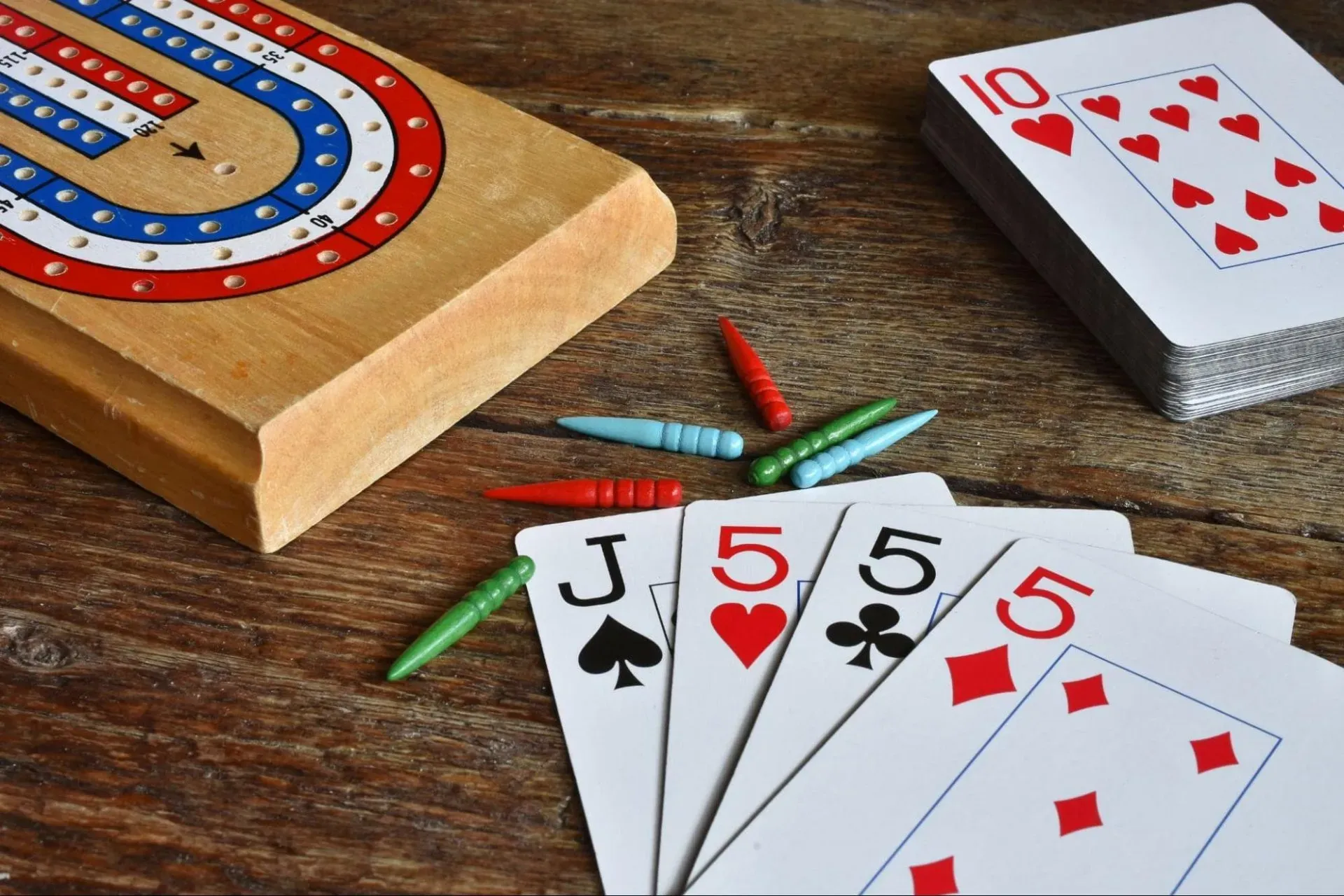
Solitaire has been one of the world's most beloved card games for centuries, captivating players since its rise in popularity in the late 18th and early 19th centuries. What began as a simple pastime has become a timeless classic, treasured for its calming gameplay, strategic depth, and the satisfying sense of accomplishment it offers. Whether you're unwinding after a long day or giving your brain a quick workout, Solitaire remains a go-to choice for millions.
As the game spread across continents and generations, enthusiasts began creating new layouts, fresh challenges, and unique twists on the traditional rules. Today, you can enjoy countless variations, played either with a physical deck of cards or digitally through apps, websites, and mobile games. Each version offers its own flavor, making the world of Solitaire richer and more diverse than ever.
Among these many variants, one stands out as a global favorite: Spider Solitaire. Loved for its slightly more complex strategy and addictive gameplay loop, Spider takes the familiar essence of classic Solitaire and adds new mechanics and layers of difficulty.
So how exactly does Spider Solitaire differ from the traditional game? In what ways do they overlap, and which one is right for your playstyle?
Explore our Spider Solitaire vs. Solitaire comparison to discover the similarities, key differences, and what makes each version such a delight to play.
What Is Classic Solitaire?
Classic Solitaire, formally known as Klondike Solitaire, is the traditional version most players know from early computer systems and mobile apps. It uses a single standard 52-card deck and features a seven-column tableau that grows from one card to seven cards across the row. Only the top card in each column begins face-up.
The objective is clear and satisfying:
Build up four foundation piles from Ace to King for each suit.
Players build descending, alternating-color sequences on the tableau (for example, red 7 → black 6 → red 5) and flip through the stockpile to reveal new moves.
Classic Solitaire is known for:
- Moderate difficulty, great for both beginners and experienced players
- Steady win rate of about 40%, making victories feel achievable
- Shorter play sessions, usually around 5-15 minutes
- A relaxing, familiar gameplay loop that doesn't demand long-term planning
Because the rules are intuitive and the challenge is balanced, Klondike is often the first and favorite version for casual players.
What Is Spider Solitaire?
Spider Solitaire is a more complex and challenging version of the traditional game. It's perfect for players who enjoy a higher difficulty level and want to further improve their strategic skills.
Unlike Classic Solitaire, Spider Solitaire typically uses two decks of cards, making it a longer and more mind-stimulating game. It later also appeared in Microsoft Windows in an expansion pack released in 1998, which increased its popularity among players.
What Is the Difference Between Solitaire and Spider Solitaire?
Here are some of the key differences between Solitaire and Spider Solitaire worth knowing:
The Number of Cards
The number of cards you deal with in a game strongly influences the difficulty level. Typically, the more cards you need to arrange, the more challenging the gameplay.
Classic Solitaire uses a standard 52-card deck without the jokers. In Spider Solitaire, the jokers are also excluded, but you play with two standard decks, so 104 cards overall.
The Number of Suits
In the traditional Klondike Solitaire, you always use all four suits. When it comes to Spider Solitaire, it depends on the exact variant you choose. Spider Solitaire 1 Suit is the simplest, as in this case, all the cards are of the same suit, making it easier to build sequences.
If you want to increase the challenge, you can go for Spider Solitaire 2 Suits or even Spider Solitaire 4 Suits. Keep in mind that you’re only allowed to move same-suit sequences to the foundation piles!
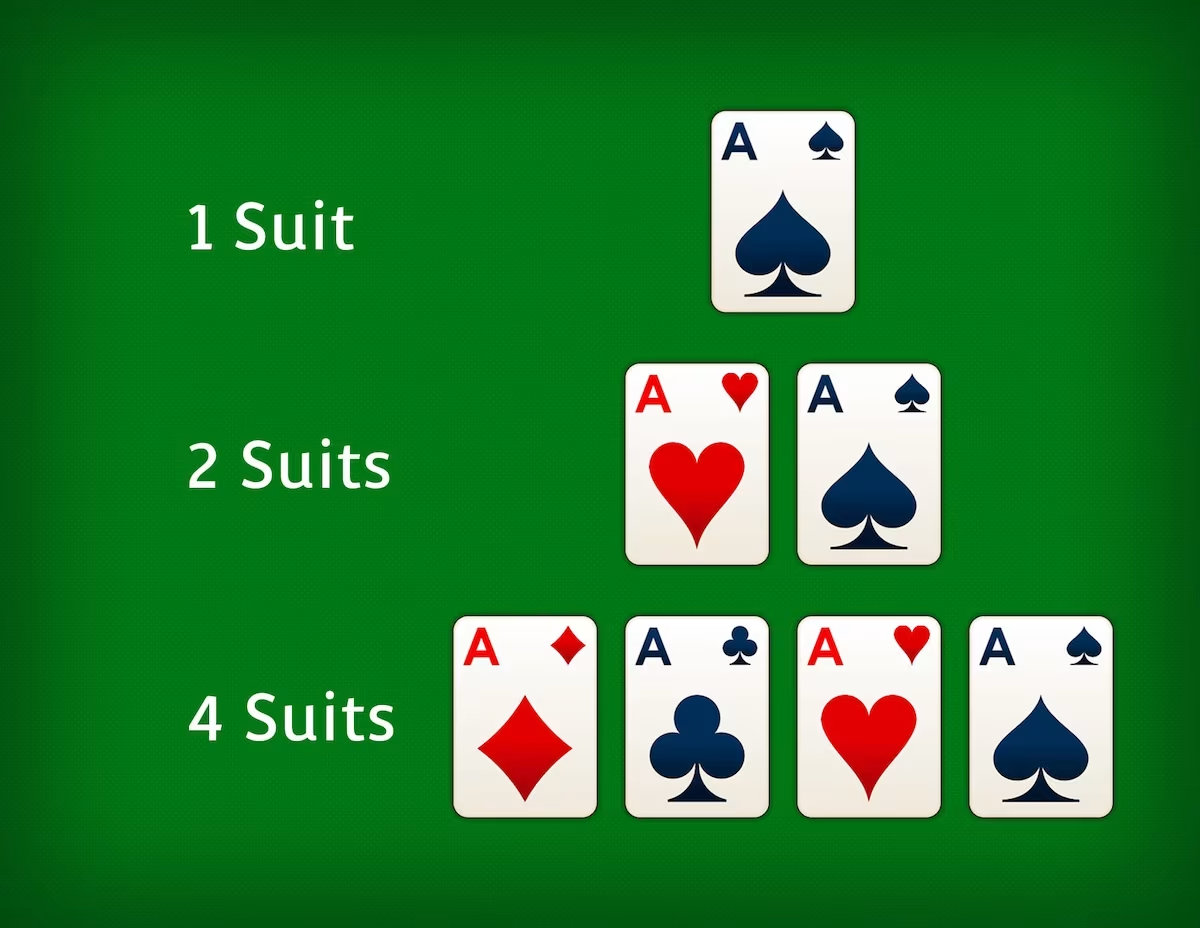
Tableau Setup
In Classic Solitaire, there are seven columns in the tableau, each containing an increasing number of cards (from 1 to 7). Only the top card in each column is face-up, and the rest of them are face down.
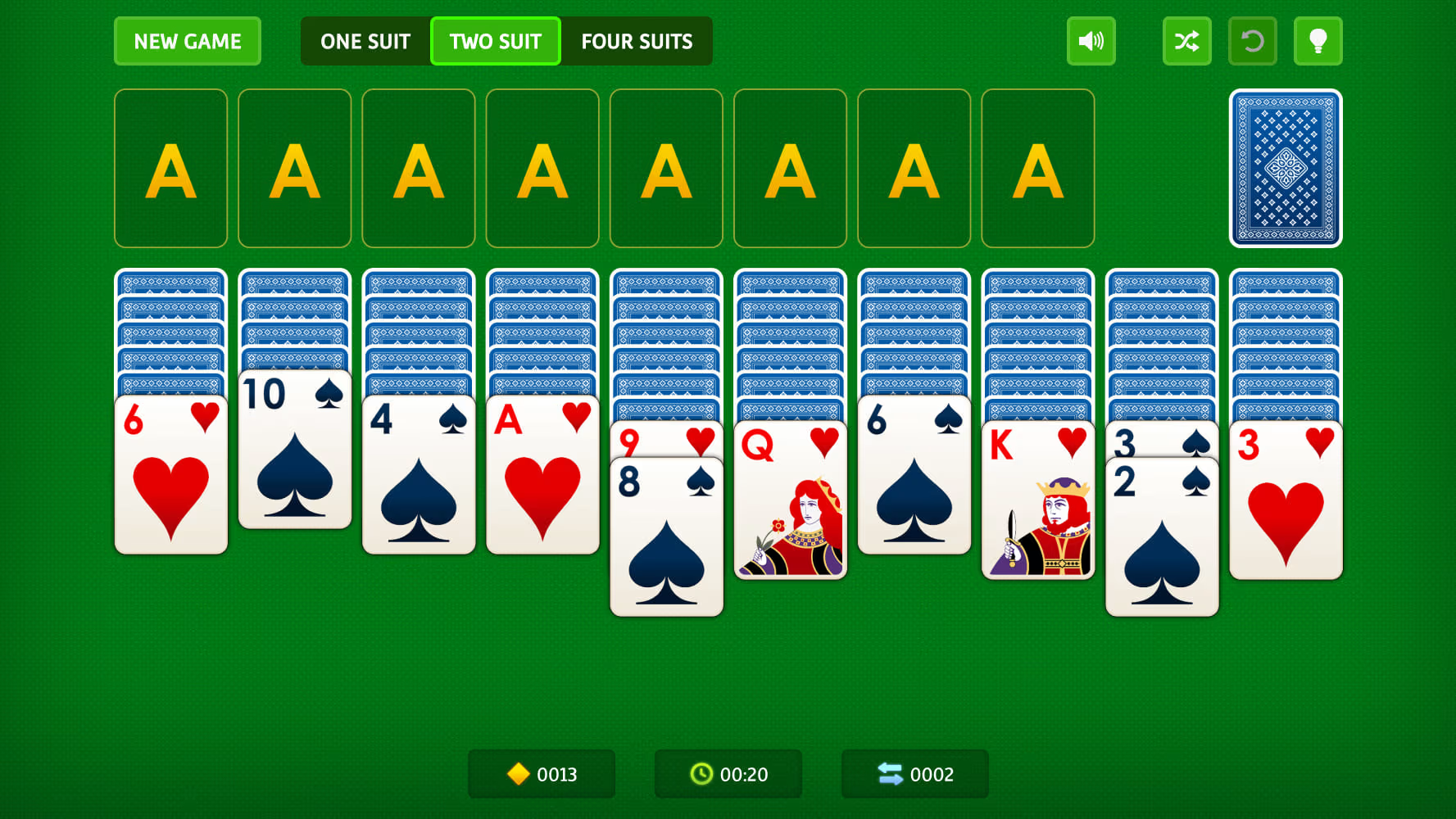
On the other hand, in Spider Solitaire, there are 10 tableau columns, with the top card of each facing up. The first four columns contain six cards, and the remaining columns contain five cards each.
Building Sequences

In traditional Klondike Solitaire, you build sequences in descending order, keeping in mind that they must differ by color, regardless of the suit.
In Spider Solitaire, the player must build sequences in descending order. Importantly, sequences with mixed suits are allowed to be built, but you can move sequences only if they are of the same suit.
The Objective
In Classic Solitaire, your goal is to move all the cards from the tableau and stockpile to the foundation piles, organizing them by suit, from Ace to King.
Your objective in Spider Solitaire is different. Namely, you need to create descending card sequences in the tableau, and when a complete set from King to Ace is ready, it disappears from the board. In this way, completing one sequence creates new opportunities to form the next ones.
Which Should You Play?
Choosing the right game depends on your preferred pace, challenge level, and playstyle.
Choose Classic Solitaire if you…
- Enjoy short, relaxing games
- Prefer a moderate, approachable challenge
- Want a higher win rate and more frequent rewards
- Are new to Solitaire or teaching someone to play
- Enjoy structured rules that are easy to understand
Classic Solitaire is perfect for unwinding, taking a short mental break, or enjoying a nostalgic touch of childhood computer games.
Choose Spider Solitaire if you…
- Love strategic depth and long-term planning
- Enjoy lower win rates and serious challenges
- Like managing large numbers of cards and open-ended solutions
- Don't mind slow, thoughtful gameplay
- Want multiple difficulty levels to grow your skills
Spider Solitaire rewards sharp thinking, clever sequencing, and patience. If you enjoy chess-like decision-making or multi-step puzzles, Spider, especially 2-Suit or 4-Suit, will feel richly satisfying..
Spider Solitaire vs. Regular Solitaire – The Final Note
Classic Solitaire and Spider Solitaire may share the same card deck, but they offer very different gameplay styles. Classic Solitaire is quick, calming, and universally approachable. Spider Solitaire offers a deeper challenge, with greater complexity, more cards, and more opportunities for strategic mastery.
The great news? You don't have to choose just one.
On our website, you can play both Classic Solitaire and all Spider Solitaire variants for free, directly in your browser. No downloads or registration required. Whether you're in the mood for something easy and relaxing or something mentally engaging and challenging, there's a version perfectly suited to your moment.
Play Spider or Classic Solitaire now and enjoy mind-stimulating and entertaining gameplay.