
How to Play Double Solitaire: Rules, Setup, and Strategy
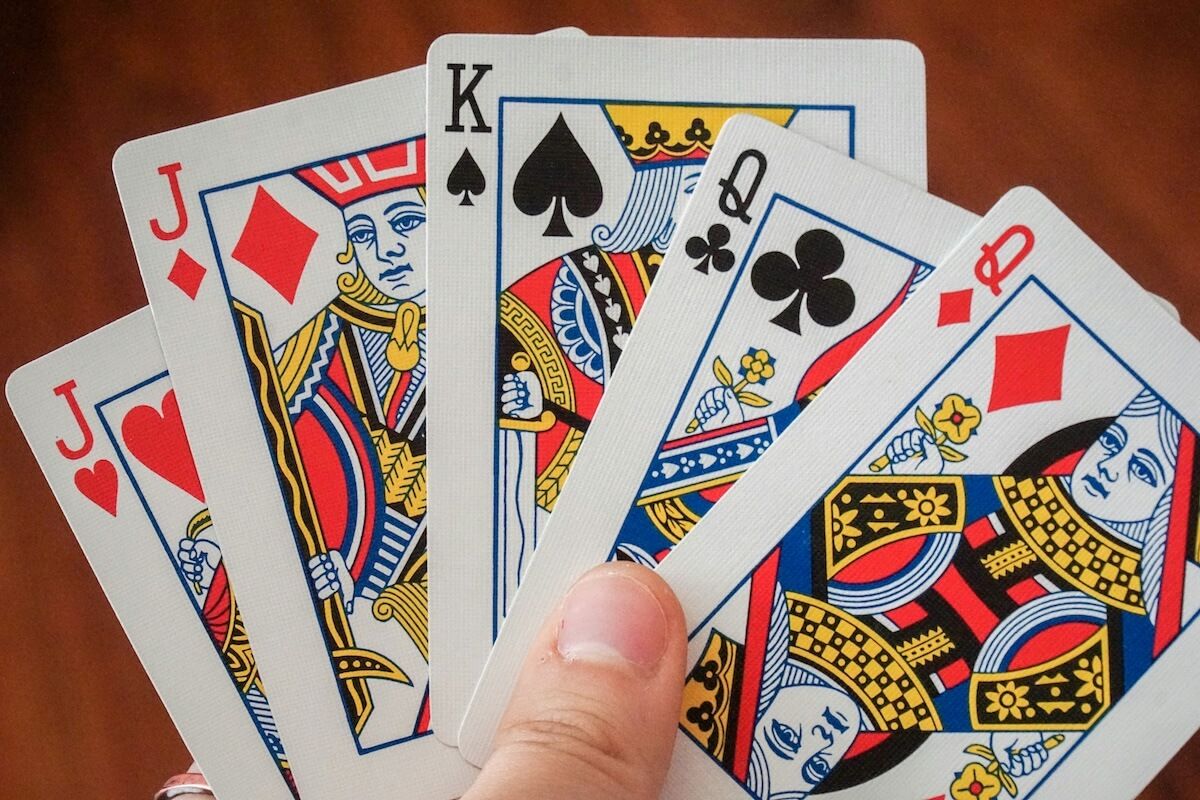
Double Solitaire is a two-player version of Klondike that turns a quiet solo game into a friendly race. Two players use two full decks and compete to move cards to shared Foundation piles. The first player to play the most cards wins. This guide covers setup, rules, scoring, and simple strategy.
No partner right now? You can play classic Solitaire for free at Solitaire.com while you wait.
What Is Double Solitaire? (Two-Player Klondike with Two Decks)
Double Solitaire is a head-to-head card game based on classic Klondike Solitaire. Each player sets up their own Klondike layout using their own deck. The twist is that the Foundation piles are shared, so both players race to place cards on those shared piles.
The goal is to play more cards to the Foundations than your opponent. It keeps the familiar feel of Klondike but adds speed and competition. Many families enjoy it as a simple, social card game.
What You Need: Two Standard Decks and Two Players
You need two standard 52-card decks and two players to start. Each deck should have a different back design so the cards are easy to separate later. This matters because the cards mix on the shared Foundation piles.
A flat table with room for both layouts works best. You will also want space in the middle for the shared piles. No special equipment is needed.
How to Set Up Double Solitaire (Step-by-Step)
Each player builds a standard Klondike layout in front of them, using their own deck. The steps below mirror a normal game of Solitaire, done twice.
First, deal seven columns to form your tableau. The tableau is the main play area of seven columns. Column one gets one card, column two gets two cards, and so on through column seven.
Turn the top card of each column face-up, leaving the rest face-down. The remaining cards form each player's stock pile, the face-down draw pile.
The shared Foundation piles start empty in the middle of the table. Foundations are the piles you build by suit from Ace to King.
Double Solitaire Rules and Allowed Moves
The rules follow Klondike, with the key change that Foundations are shared. You build your own tableau columns in descending order with alternating colors. For example, place the 7♥ on the 8♠. You move cards to the shared Foundations by suit, from Ace upward.
Because the Foundations are shared, either player can add to any pile. So if your opponent starts a Hearts pile, you can play your Hearts there too.
You draw from your own stock pile to the waste pile when you need new cards. The waste pile holds the cards you have drawn but not yet played.
Turn Structure: Simultaneous vs Alternating Play
Double Solitaire can be played two ways: simultaneously or alternating, and each style changes the pace and the strategy.
In simultaneous play, both players move at the same time with no turns. This is fast, lively, and slightly chaotic, since speed decides who reaches a Foundation first. In alternating play, players take turns, which is calmer and easier for beginners.
Older players and mixed-age groups often prefer the alternating style. Choose the version that suits your group before you start.
How to Score Double Solitaire (Per-Foundation and Speed Scoring)
Scoring is based on how many cards each player moves to the shared Foundations. The most common method awards one point per card you place. At the end of the game, the player with more cards on the Foundations wins.
Some groups add a speed bonus in simultaneous play. The player who finishes their stock pile first can earn extra points. Decide your scoring method before the game so both players agree.
Double Solitaire Strategy and Tips
Winning Double Solitaire comes down to speed and smart Foundation timing, since the shared piles mean a card you hesitate on may be taken by your opponent.
First, play Aces and 2s to the Foundations quickly to claim early ground. Next, watch the shared piles closely so you can drop a matching card the moment it fits.
Then focus on uncovering your face-down cards, since face-down cards limit your moves. For a deeper look at planning ahead, see our solitaire strategies guide. Even strong players lose some games, so keep it light.
Double Solitaire vs Classic (Single-Player) Solitaire
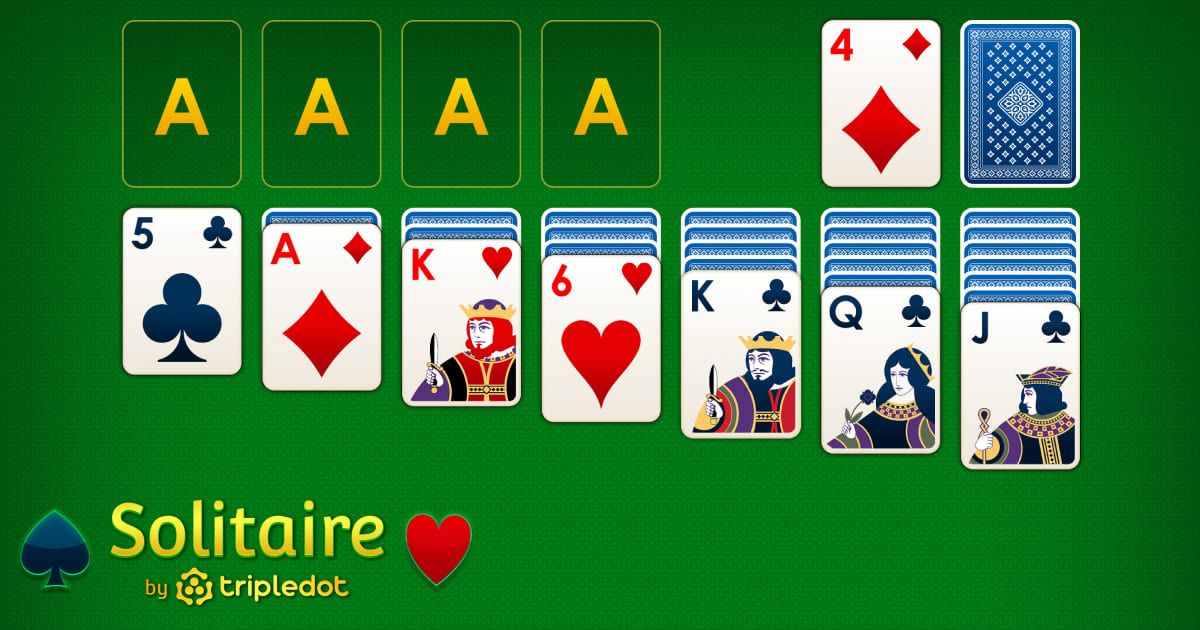
**The main difference is competition: Double Solitaire adds an opponent and shared Foundations. Classic single-player Solitaire is a calm, solo puzzle you play at your own pace. Double Solitaire turns that same layout into a race. ** Classic Solitaire uses one deck, while Double Solitaire uses two. Single-player rewards patience and planning. The two-player version rewards quick decisions. If you enjoy the classic feel, you can practice anytime with how to play Solitaire online.
Variations: Speed Double, Russian Bank, Spite & Malice
Several two-player card games build on the Double Solitaire idea, with their own rules and pace.
Speed Double removes turns entirely, so both players race at full speed. Russian Bank uses two decks and strict movement rules, with players blocking each other's progress.
Spite & Malice is a competitive game in which you race to empty your personal pile. None of these are available on Solitaire.com, but they are fun to know. For more options, browse our list of types of solitaire games.
Where to Play Solitaire While You Wait for a Partner
Solitaire.com offers single-player games you can enjoy anytime, with no partner needed. The site is free, with no downloads and no ads. You also get an Unlimited Undo button, a hint button, classic scoring, and a Daily Challenge.
Try Klondike Turn 3 for a tougher solo draw, or FreeCell for a pure skill test. Solitaire is mostly a solo game, though it can be social too, as we explain in Playing Solitaire Socially.
When your partner arrives, bring out the two decks for a head-to-head game.